An odd thing happened recently – for the first time in 48 years we no longer have a landline telephone.
For younger readers it may seem strange but having a home phone was by no means universal. We were in our early to mid-twenties when we inherited our first because it was installed in the first house we bought. It was, as most phones were, provided by the GPO (General Post Office) which was the ‘state postal and telecommunications carrier of the UK’. The 741 dates from, probably, the late 1960s or early 70s so was ‘knocking on a bit’ by 1978 but it served us well for the 5 years we lived in the wee house in Menston.
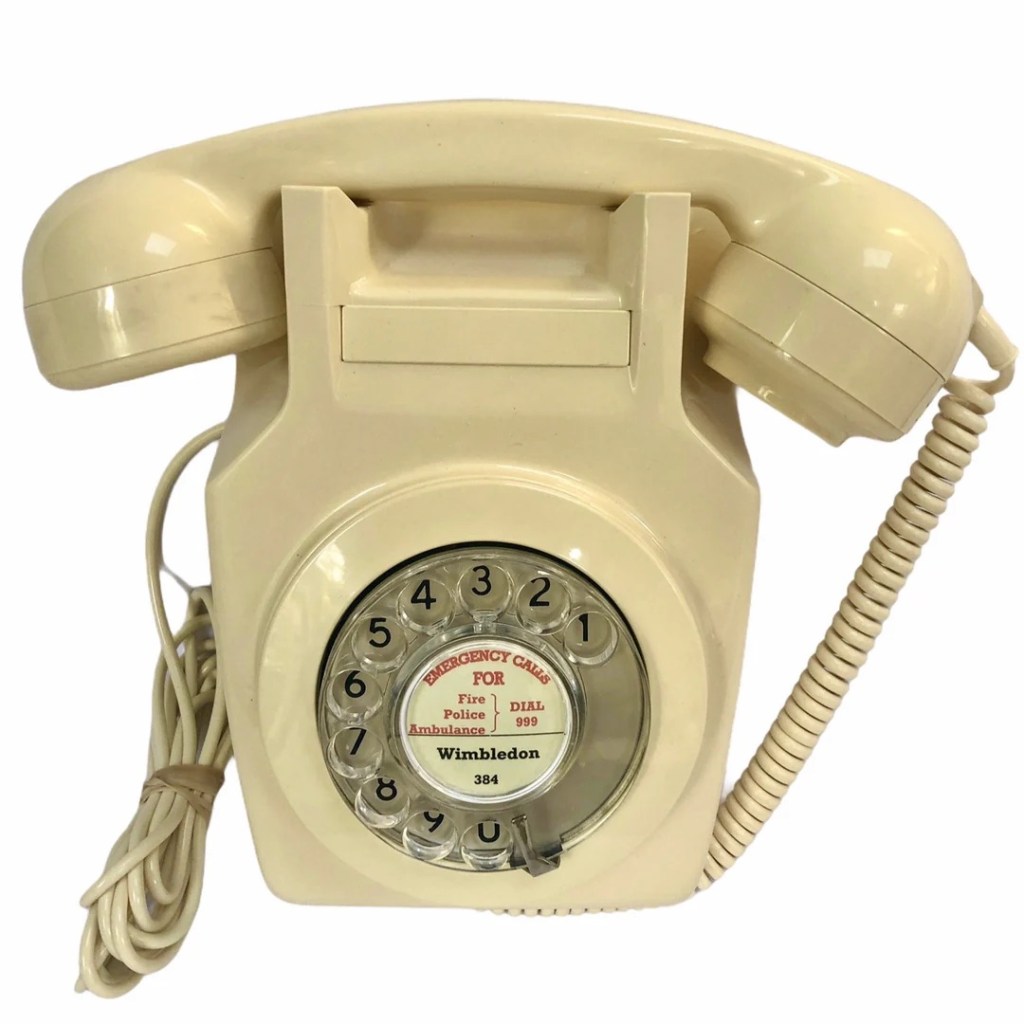
I am reminded by seeing a picture of this one that my parents , who were around 50 years old then, got their first phone shortly after. Mum wrote a lovely letter to tell us that they now had a phone as it didn’t cross her mind to phone us up to tell us. That has been a running joke in the family since then.
Since then we have had various different types of home phone including a Trim Phone (look it up!), and all of course were what we would now call wired in that the bit you used to hear & speak was connected to the main body by a electrical cord. Our next big technological leap was probably not until the early 1990s when we invested in a cordless phone (a triple as I remember)
Our last phone to be connected to the wired network was a BT 4600 (Big Button) a DECT (Digital Enhanced Cordless Telecommunications) phone which had ‘extra features’ – answer machine, call blocking, volume boost, etc. It was, of course, chosen to address our failing eyesight and hearing
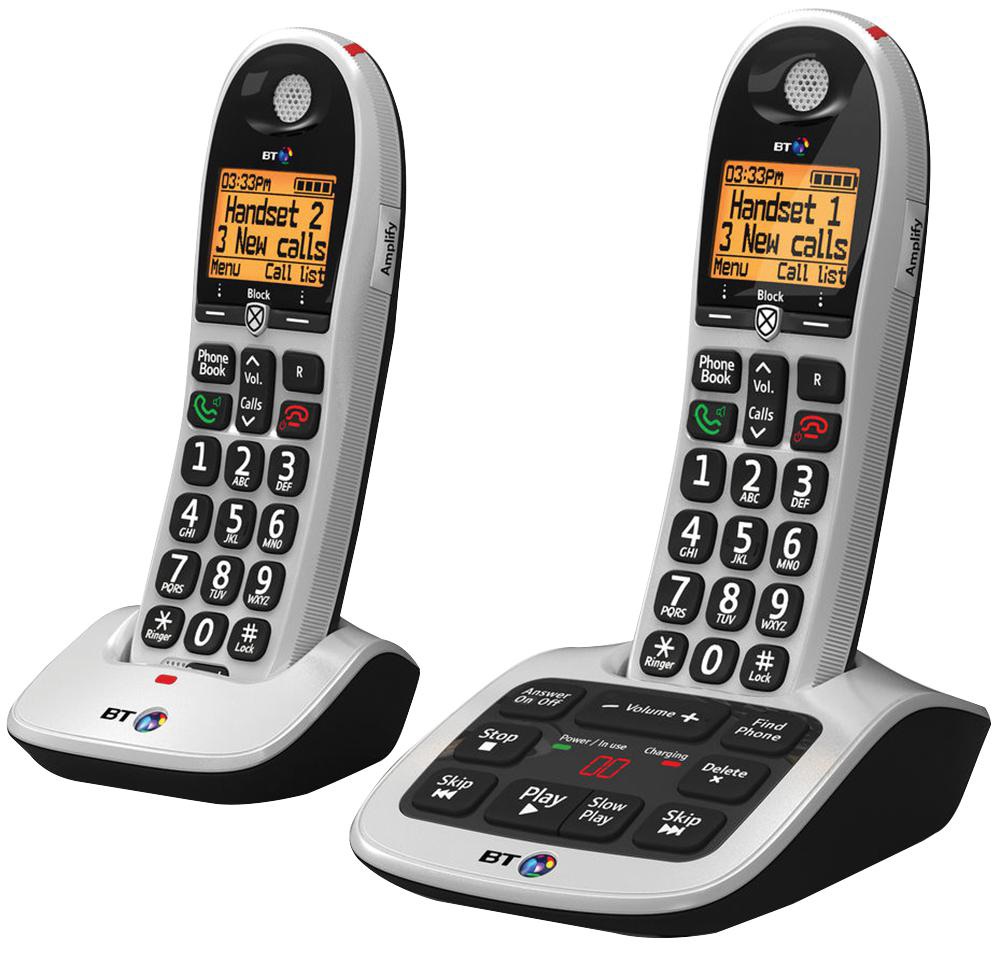
The BT 4600 Big Button Twin phone
So the change in technology came about because of the Great Digital Switch as BT are calling it. In reality they are closing down the PSTN (Public Switched Telephone Network) which is ancient relies on copper wire and is increasingly more costly to maintain as well as being used much less. Our supplier PlusNet (a division of BT) weren’t able to give us what we wanted so I have switched to VoIP (Voice over Internet Protocol) which uses the broadband internet connection to make calls.
Two things to note – we have been able to retain our longstanding telephone number AND, thanks to the device pictured below, are able to use our existing DECT phones.
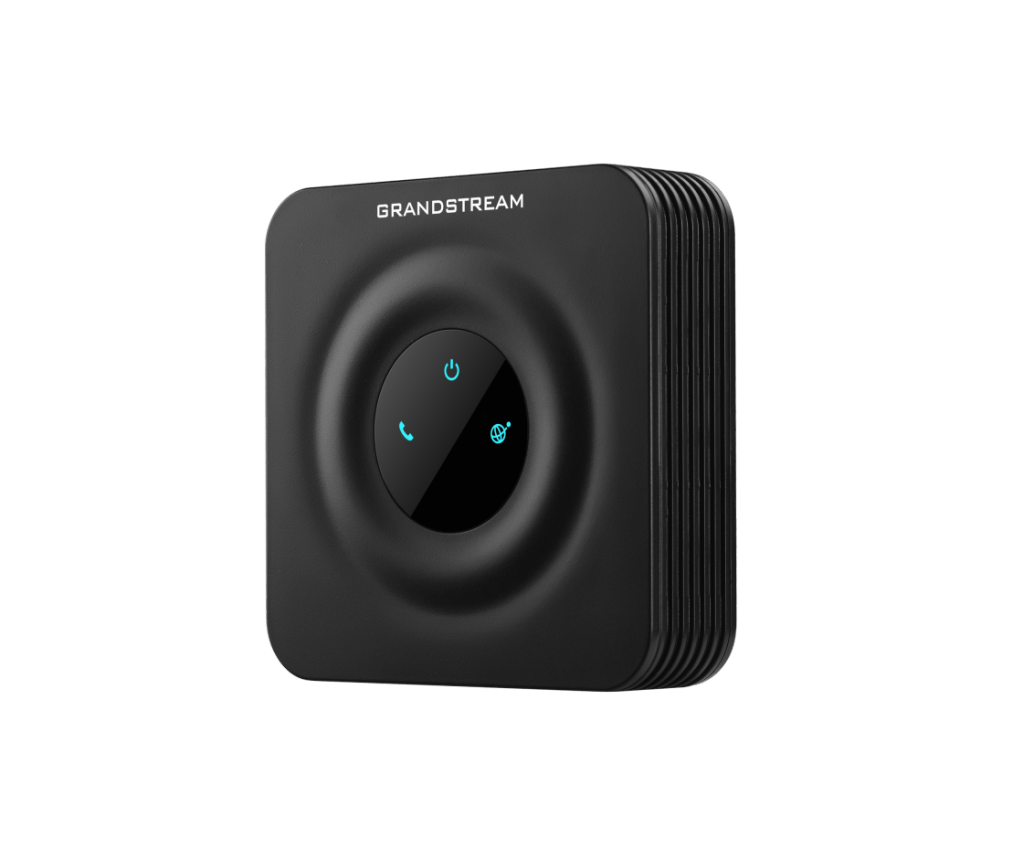
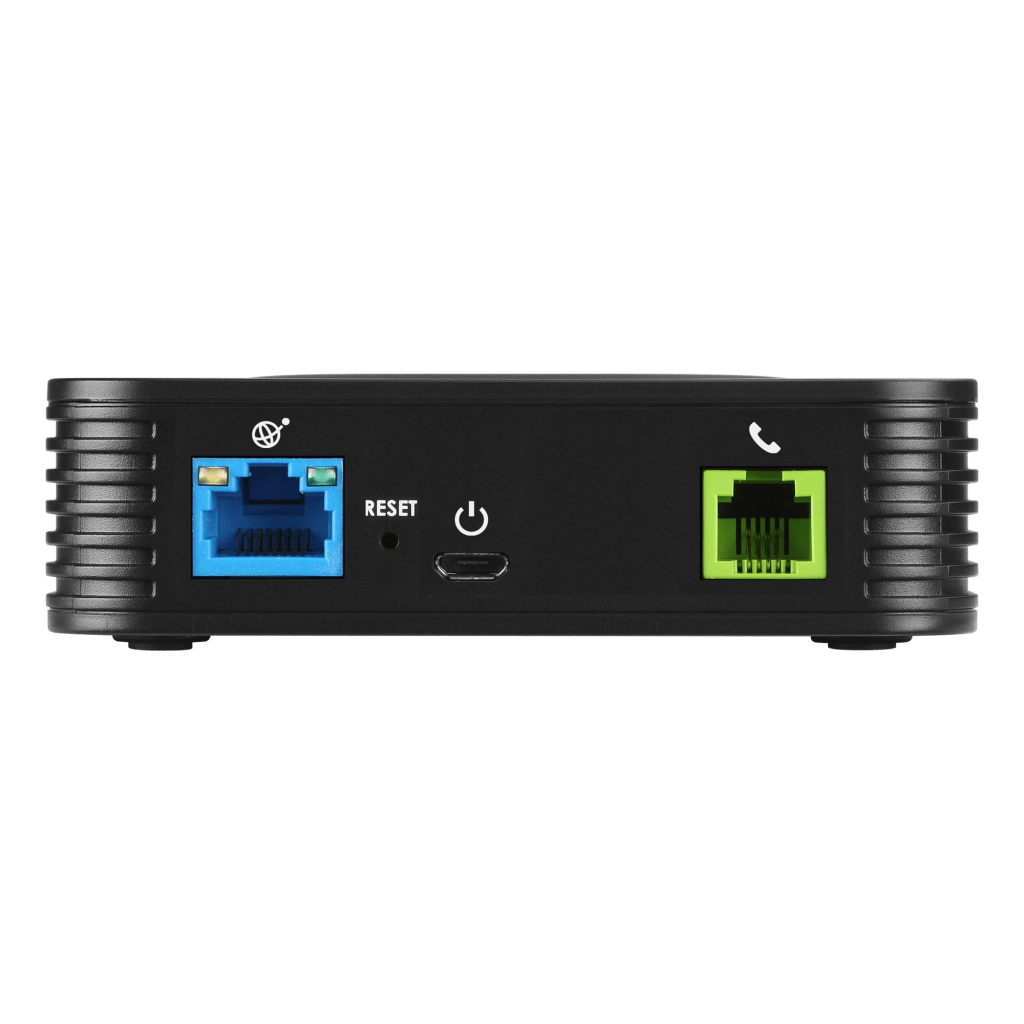
This small piece of magic is connected (by the blue socket) to an internet router and (by the green socket) to the old BT phone and it just works!
The final ingredient in this story is a company called Premitel Connections*. Locally based (in Haddington just a few miles away) and a small business that has been an absolute pleasure to deal with. All my questions (believe me I had many – several of them daft!) were dealt with promptly, politely and equitably. The whole process of ordering, receiving and testing the equipment up to the switch over took less than 2 weeks and, the best bit, if it hadn’t worked or I was dissatisfied all my outlay would have been refunded without question. The trial period (with a temporary number to play with) was built in to the process. *Premitel may be a local company but the very nature of this business means their services are (theoretically) almost universal.
Just to round off then – I know there are some pitfalls with this new system. Anyone who relies on a personal emergency alarm can’t switch without making other arrangements and a loss of power (not unknown in these parts) will cut off the phone system. But equally there is no alternative – the change has to happen before the ancient infrastructure fails.